Whether you’re booking a room at an inn or B&B, jetting off on a European getaway, or embarking on a cruise, a few smart travel strategies can make your trip smoother, lighter, and far less stressful. These practical tips are ideal for travelers who value comfort, convenience, and maximizing the travel experience.
From keeping your documents safe to navigating cities without a cellular signal to avoiding airport headaches, here are five travel tips you’ll be glad to know—especially if you’re already planning your next adventure. These are tried-and-true tips by yours truly. I rely on them, and they’ve served me well on both domestic and international trips, helping to reduce my travel-related stress.
1. Scan and Save Your Travel Documents Before Departure
Travel can be unpredictable, so it’s important to back up your essential documents and itinerary. One of the simplest but most overlooked travel hacks is also one of the most helpful: photograph or scan all your key documents before your trip. That includes your passport, driver’s license, credit and debit cards, insurance info, flight tickets, visa paperwork, and reservations (e.g., lodging, trains, flights, tours). Having this backup information handy can reduce stress and time searching if you happen to misplace or lose some documents.
Store Images of Important Documents in:
- your smartphone’s photo gallery
- your smartphone’s notes app
- Cloud storage (like Google Drive or Dropbox)
- your email inbox (send them to yourself)
Also, screenshot QR codes or mobile-only tickets—some transportation systems (e.g., airports, train stations, ferries) don’t offer Wi-Fi at boarding gates or platforms.
What Works for Me
I have pictures of the main page of my passport, as well as the front and back of my driver’s license, insurance cards, and credit and debit cards, stored in my iPhone’s Notes app. That way, I have all the necessary information should I lose my passport, one of the cards, or my entire wallet. I feel more secure using my phone’s app because of two options: it can be locked (and require a passcode or biometrics), and I can choose to save it just to my phone (and not the Cloud).

2. Pack Even Smarter with Compression Packing Cubes
Most of us are familiar with the benefits of packing cubes. But compression packing cubes are a game-changer for many. For example, they may allow you to squeeze in an extra garment or two in your carry-on. Unlike traditional packing cubes, compression cubes feature two zippers that push out excess air, reducing the bulk of your clothing. To find ones that match your needs, do an online search for compression packing cubes to discover the various sizes and styles available. Compression cubes help you pack more efficiently—and unpack with more organization.
How I Use this Tip
I’ve used compression packing cubes for years and swear by them. I tend to organize my clothing by type – I roll my tops and place them in a compression bag, and do the same with shorts/leggings/pants in other compression bags. Some travelers prefer to organize their outfits in compression bags.
Either way – sorting and packing by type of item or by outfit, you’ll surely find compression packing cubes an efficient way to go.

3. Don’t Get Caught with a Dead Battery: Why a Power Bank Is a Travel Must-Have
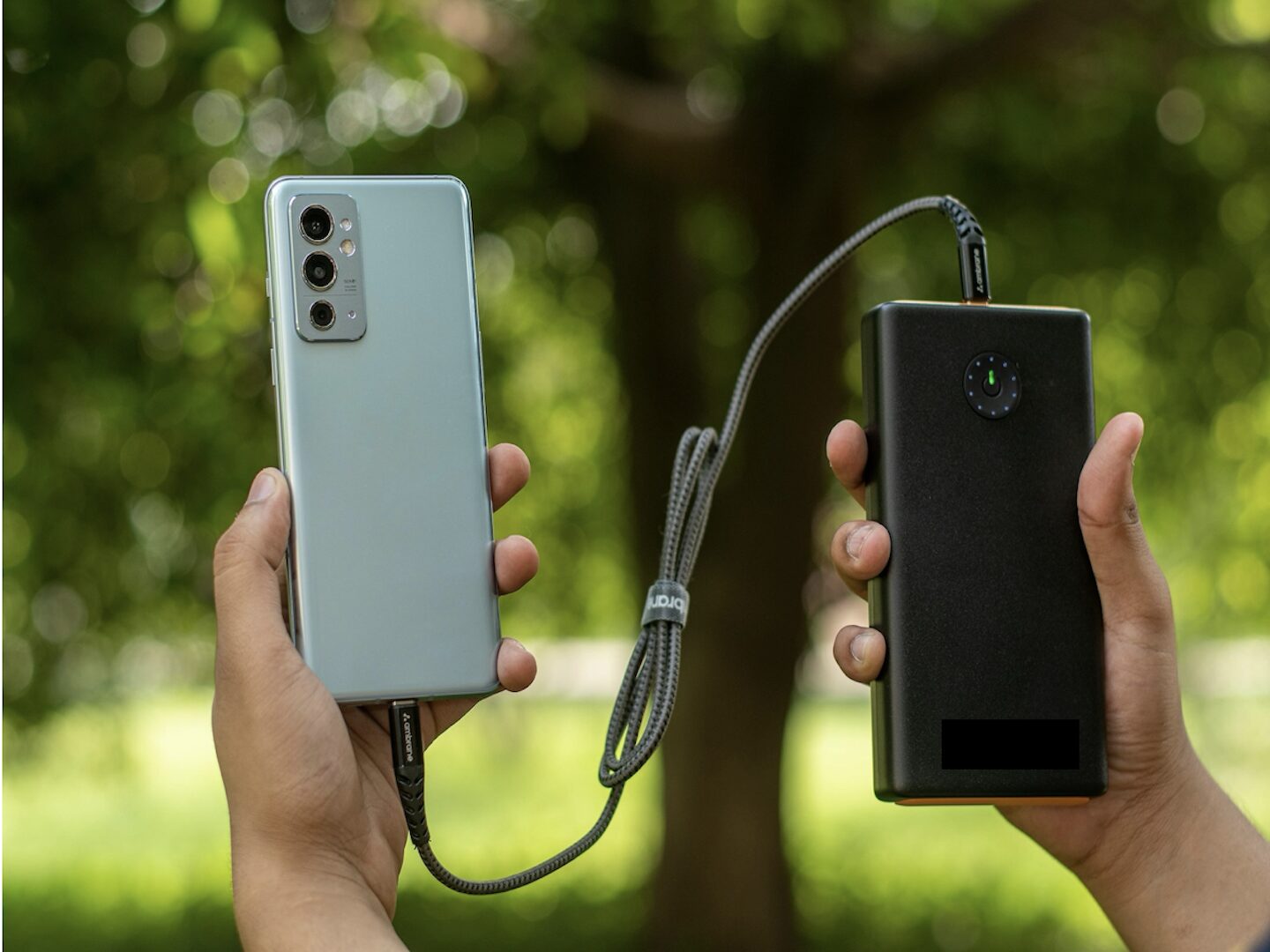
When you’re on the go—whether navigating a new city, capturing memories on your phone, or relying on digital boarding passes and maps—a dead battery can be more than an inconvenience; it can completely derail your plans. That’s why an external power bank is one of the most essential travel companions. It can keep your smartphone, tablet, laptop, or even earbuds charged and ready when you need them most—like during long flights, layovers, road trips, or while waiting at train stations with limited outlets. It’s especially handy during walking tours, hikes, or in older hotels and inns where accessible plugs are scarce.
Finding the Right External Power Bank
Look for a power bank that strikes the right balance between capacity and portability. A model with at least 10,000mAh is ideal—it can fully recharge most phones two to three times, yet it’s still compact enough to fit in a purse or daypack. Handy features like built-in cables, fast-charging capability, or even solar panels can make a big difference depending on your destination. Just be sure to pack it in your carry-on, not your checked luggage—TSA rules require that power banks stay with you during your flight. Want help choosing the best one for your needs? Check out my guide: Stay Powered Up: A Traveler’s Guide to Power Banks.
Putting It Into Practice
I never leave for a trip without my power bank—it’s a daily essential. I keep it in my purse or daypack and use it regularly, especially since I take lots of photos and videos when we travel (a sure way to drain a phone quickly!). My husband and I each carry our own: his has built-in charging cables, so there’s no need to bring extras, while mine has dual ports—perfect for topping up two devices at once.
TRAVEL TIP: Fully charge your power bank before your trip and plug it in each night while traveling. That way, it’s always ready to go when you are.

4. Download Offline Maps Before You Leave Wi-Fi
Before leaving on a trip, download maps in Google Maps for offline use so you can still access walking directions, find restaurants, and navigate unfamiliar streets without a cellular signal.
This tip is especially handy for city walks, cruise excursions, and road trips.
How to Download Google Maps for Offline Use on Your Phone
- Open Google Maps on Wi-Fi.
- Search your destination (city or region).
- Tap “Download” under the location name.
- Save for offline use.
How to Access Offline Google Maps on Your Phone
- Open Google Maps app.
- Tap your profile picture (or initial) in the top right corner.
- Select “Offline maps.”
- Tap the map you’d like to open.
What Works for Me
There have been plenty of times when I haven’t had a cellular signal, and that’s when I rely on the Google Maps I downloaded before leaving home. This is especially important when traveling to a new-to-you destination.

5. Track Your Bags in Real Time
Location trackers, like the hugely popular Apple AirTag or Tile trackers, can be one of the simplest ways to add peace of mind to your travels — whether it’s a road trip, flight, cruise, or train journey. Slip one into your bags (e.g., luggage, purse, backpack, camera case, car), and you can quickly locate misplaced items while on the go.
To track the location of your bags (and other items) with Apple AirTags in them: open the Find My app, select the Item, and view its location. Also, you can select Play Sound to help locate the item.
How to Share Your Bag’s Location with Others
Sometimes it’s helpful to share a bag’s location with others in your travel group. Doing so might help everyone find you for a meet-up. To share the location of items with an AirTag with others in your travel group, open the Find My app, tap Share AirTag, then tap Add Person, and select whom to share it with from your contacts.
How to Track Your Bags When Flying
Air travel delays and baggage mix-ups are all too common, especially with layovers and busy travel schedules. That’s why seasoned travelers rely on real-time baggage tracking through airline apps and their location-tracking tags.
And remember that location trackers in luggage and personal items can help you see their location throughout your trip — whether you’re on a plane or not.
Most major airlines (e.g., Delta, Lufthansa, United, Air Canada, and others) allow you to track your luggage from the moment you check in to the moment it reaches your destination. When flying, download your airline’s app to check the status of your bags (e.g., waiting to be loaded onto the plane, on the plane, on the baggage carousel).
To share the location of a misplaced bag with an airline, open the Find My app > select the Item > choose Lost AirTag > tap Share Item Location and enter your airline information.
How I Use this Tip
My husband and I try to travel with carry-ons only, but sometimes it’s not feasible – like when traveling to a cold climate (like Alaska in the summer) where extra layers and hiking boots are on the packing list. When this happens, we appreciate the convenience of tracking our checked luggage in real time. For example, the United Airlines app provides timestamps of when the luggage was checked in, when it was loaded onto the plane, and when it’s ready to shoot out of the airport baggage carousel.
In addition to the info on the app, I always have an Apple AirTag in each piece of luggage – just in case. Finally, I have an AirTag in my car, so when returning from a trip, I can easily find my car is in the huge airport parking lot.

Related Articles
- Design Perfect Trip Itineraries — On Your Own or with AI
- Expert Tips for Traveling to Europe for More Fun, Less Stress
- How to Create Trip Photo Books to Make Your Travels Last a Lifetime
- How to Find the Perfect Vacation Home Rentals
- Must-Have Travel Apps & Sites
- Stay Powered Up: A Traveler’s Guide to Power Banks
- Travel Lightly: Top Ten Tips to Pack for Your Next Trip
- Wander without Worry: How to Plan a Great Trip
Final Thoughts: Smart Travel Is All About Preparation
Whether you’re heading out for a weekend getaway or a multi-week adventure, these simple travel hacks can save you time, energy, and stress—especially for travelers who value comfort, reliability, and ease.
My husband and I use these strategies to make our trips less of a headache – because, let’s face it, there are enough stressful hiccups to endure when traveling!
Add them to your pre-trip checklist, and you’ll travel smarter every time.
Comments?
Have a question or your own tip to share? Drop it in the comments below—I’d love to hear what works for you! Plus, you may just make a difference for a fellow traveler. Thanks! 🙂