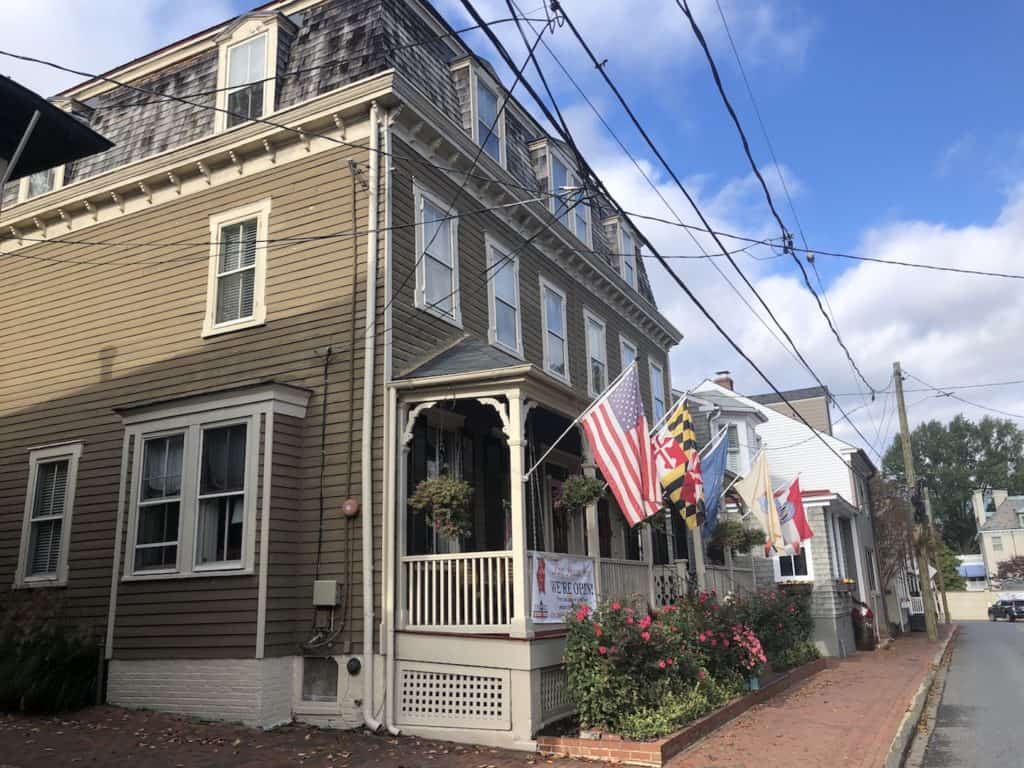
Four early 20th-century du Pont estates – Hagley Museum, Longwood Gardens, Nemours Estate, and Winterthur – are living legacies of the du Pont dynasty that are a delight to explore. The estates include homes, furnishings, and richly landscaped gardens. And in Hagley’s case, there is also a gunpowder demonstration and a 19th-century machine shop to tour. All four estates are conveniently located within 10 miles of each other in northern Delaware and southeastern Pennsylvania.
These properties, each uniquely different, help tell the stories of uber-wealthy folks who acquired and managed large homes and vast acreage. Many in the prominent du Pont family were committed to historic preservation, had strong interests in horticulture and agriculture, and carried a penchant for philanthropy. This commitment to preservation and to shaping nature for pleasing aesthetic results is evident in the properties the du Pont family enjoyed during their lifetimes and later opened to the public.
Each property takes several hours to fully enjoy, so plan to spend at least three days exploring all four without being rushed. Otherwise, choose the ones that interest you most on your first visit and plan to see the rest over several visits to the area. My husband and I have enjoyed our visits to these special places in Wilmington, Delaware, and just outside Philadelphia.
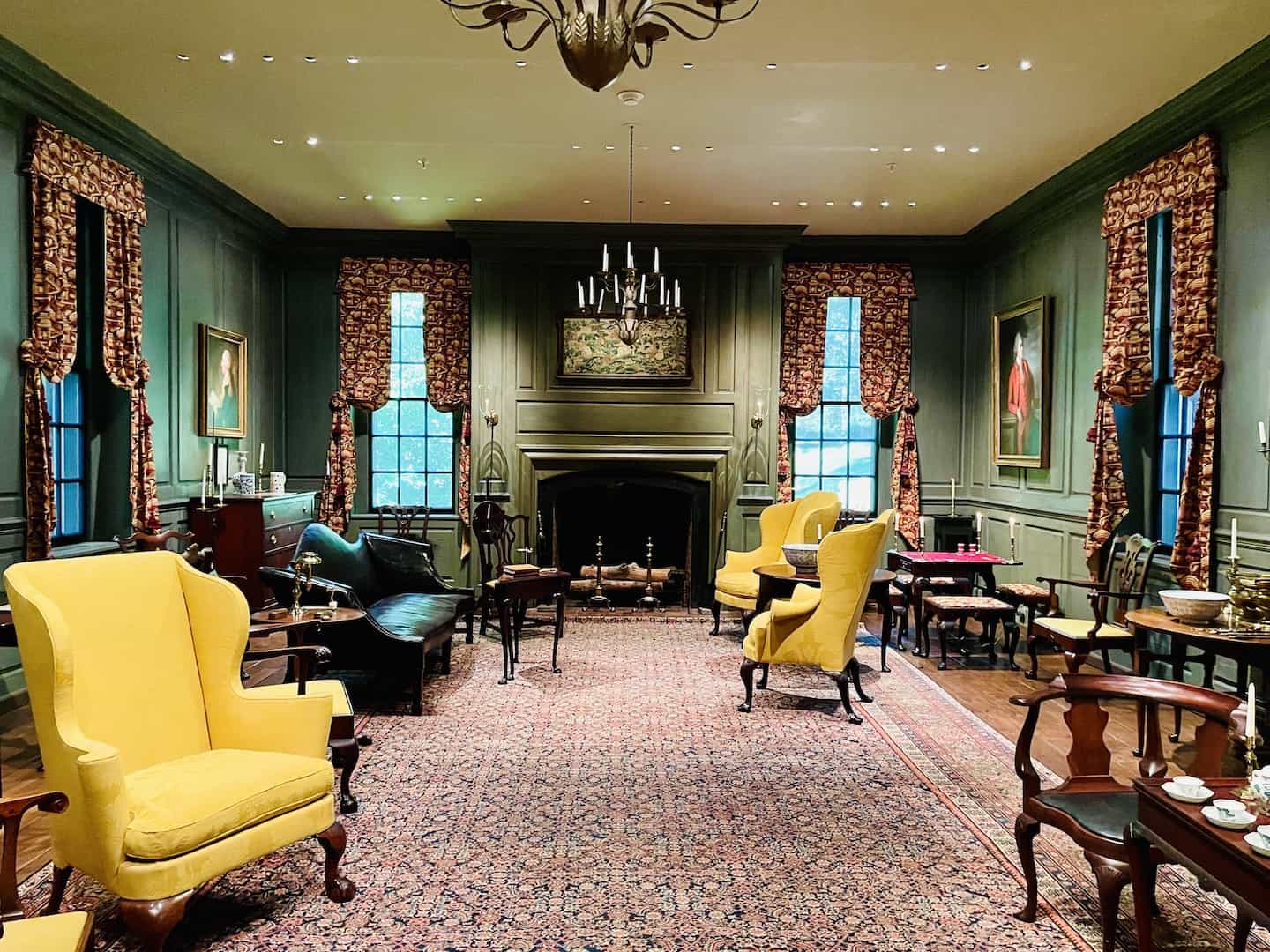
Who Were the du Ponts?
Éleuthère Irénée du Pont (E.I. du Pont) emigrated to the United States in 1800 with his family to escape the political turmoil in France. Once in the U.S., he began to manufacture gunpowder along the Brandywine River in Delaware. In subsequent years, the du Pont family expanded into other areas, including chemical manufacturing. Over time, successive generations entered politics (several served as U.S. senators, and one as governor of Delaware); continued in the family businesses; served in other companies; and/or pursued philanthropic endeavors.
The four du Pont estates profiled in this article were created and/or developed by E.I. du Pont and three of his great-grandsons. Hagley Museum, Nemours Estate, and Winterthur are located in (and near) Wilmington, Delaware; Longwood Gardens is north of Winterthur in Kennett Square, Pennsylvania.
- Hagley Museum, founded by E.I. du Pont (1771-1834);
- Longwood Gardens, developed by Pierre Samuel du Pont (1870-1954);
- Nemours Estate, created by Alfred Irénée du Pont (1864-1935); and
- Winterthur, developed by Henry Francis du Pont (1870-1954).
1. Hagley Museum
200 Hagley Creek Rd, Wilmington, DE | 302-658-2400
The Hagley Museum takes visitors back to the early 1800s. Before the du Pont name became established in chemical and other industries, E.I. du Pont founded a gunpowder mill along the Brandywine River. Demand steadily grew due to the War of 1812. At the time, it was the largest gunpowder manufacturer in the United States.
Don’t be put off by it being a museum; it’s actually an indoor and outdoor experience spanning 235 acres. The main sites are walkable, plus there are shuttles that can quickly take you from the gunpowder demonstrations and machine shop to the family home and around the property.

What to See at Hagley
- the gunpowder yards and machine shop with live demonstrations where gunpowder was produced for over 100 years (a guided tour);
- exhibits showcasing the gunpowder manufacturing process in the Millwright Shop;
- the Eleutherian Mills Residence, where the du Pont family lived for generations between 1803 and 1958 (a guided tour);
- Worker’s Hill, a partially restored workers’ community (a self-guided tour); and
- the museum highlighting innovations and inventors in the Visitor Center.

Visiting Hagley
- Hours of operation are 10:00 am-5:00 pm, Thursday through Tuesday. Closed Wednesdays.
- Purchase tickets at the visitor center and to learn when guided tours of the gunpowder demonstration and house are scheduled.
- Admission is $22 for adults; $18 for students, seniors (aged 62 and older, and veterans; $12 for children aged 6-14.
- Check online for the latest information on hours of operation, ticket prices, and special events.
- There are picnic tables throughout the property if you choose to bring a picnic. No dining facilities are available at Hagley.
Tips for Your Visit
- If you plan to visit Hagley and nearby Nemours, arrive at Hagley when it opens at 10:00 am. That will help you get the most out of your day. They are both open 10:00 am-5:00 pm. Keep in mind that Hagley is closed Wednesdays, and Nemours is closed Mondays.
- If time is limited (like if you’re going to two properties in a day), explain that to the folks at Hagley’s visitor center, and ask them how to plan your time to prioritize what you most want to see.

2. Longwood Gardens
1001 Longwood Road, Kennett Square, PA | 610-388-1000
Pierre S. du Pont purchased the property in 1906 that he would eventually name Longwood. Previously, the Peirce family owned the land and had constructed a house in 1730. That house still stands today, and visitors are welcome to tour it. Over the years, the Peirce family planted a large number of trees. By the turn of the twentieth century, however, the land had changed ownership several times, and the property had not been well maintained.
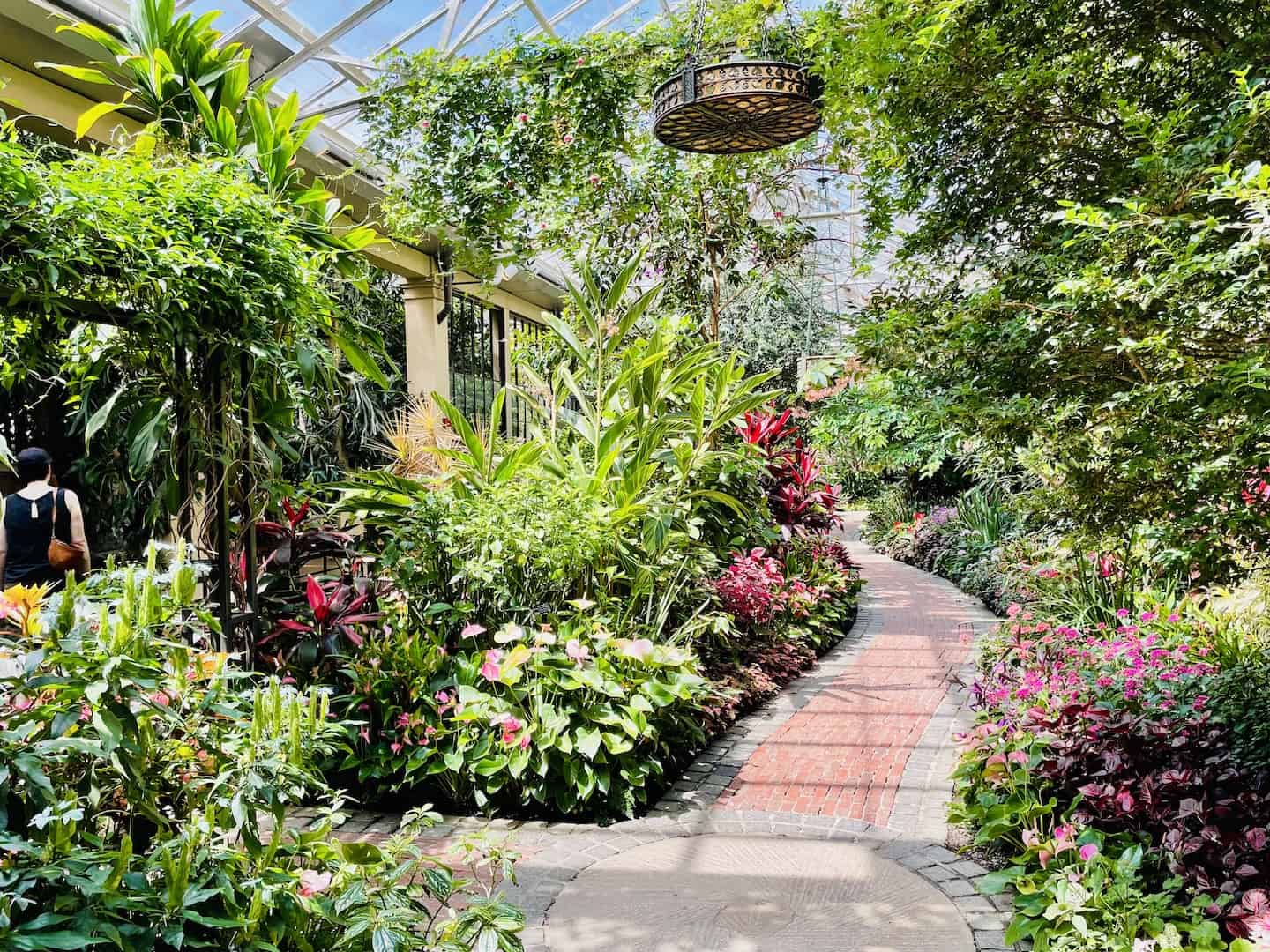
After learning that the trees would be cut down on the property, Pierre S. du Pont purchased the farm. In addition to serving as the president of E.I. Du Pont de Nemours & Co. and General Motors, Pierre was a director and advisor to several other organizations. Pierre was so enamored with gardening and fountains that he incorporated many of his ideas, inspired by his European travels, into the displays that visitors see today. He set about improving the property, adding several features including the Conservatory, the Italian Water Garden, and the topiary garden. In addition, he expanded the house that he used as a weekend residence and a place to entertain friends. Longwood Gardens opened to the public in the 1940s. After Pierre’s death in 1954, the trustees of his foundation followed up on his wishes to lead Longwood Gardens into the future.
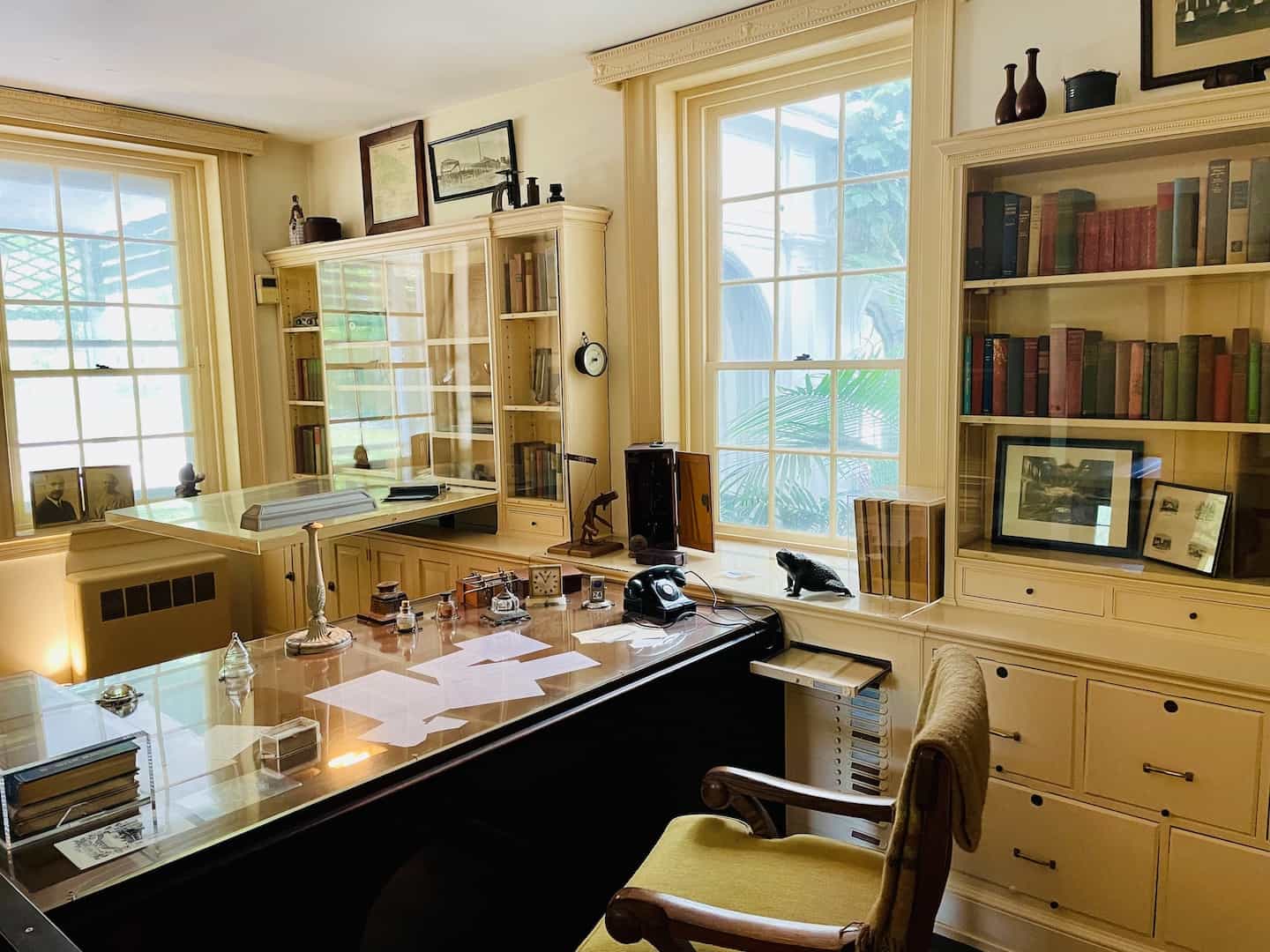
What to See at Longwood Gardens
Longwood Gardens offers over 1,000 acres that encompass six districts:
- Chimes Tower District (includes a bell tower and waterfall),
- Conservatory District (includes acres of gardens protected from the elements)),
- House and Theater District (includes the Peirce home and park),
- Lakes District (has open space with paths),
- Main Fountain Garden District (classic formal gardens with fountains), and
- Meadow and Forest District (meadows and woodlands that are habitats for plants and wildlife).
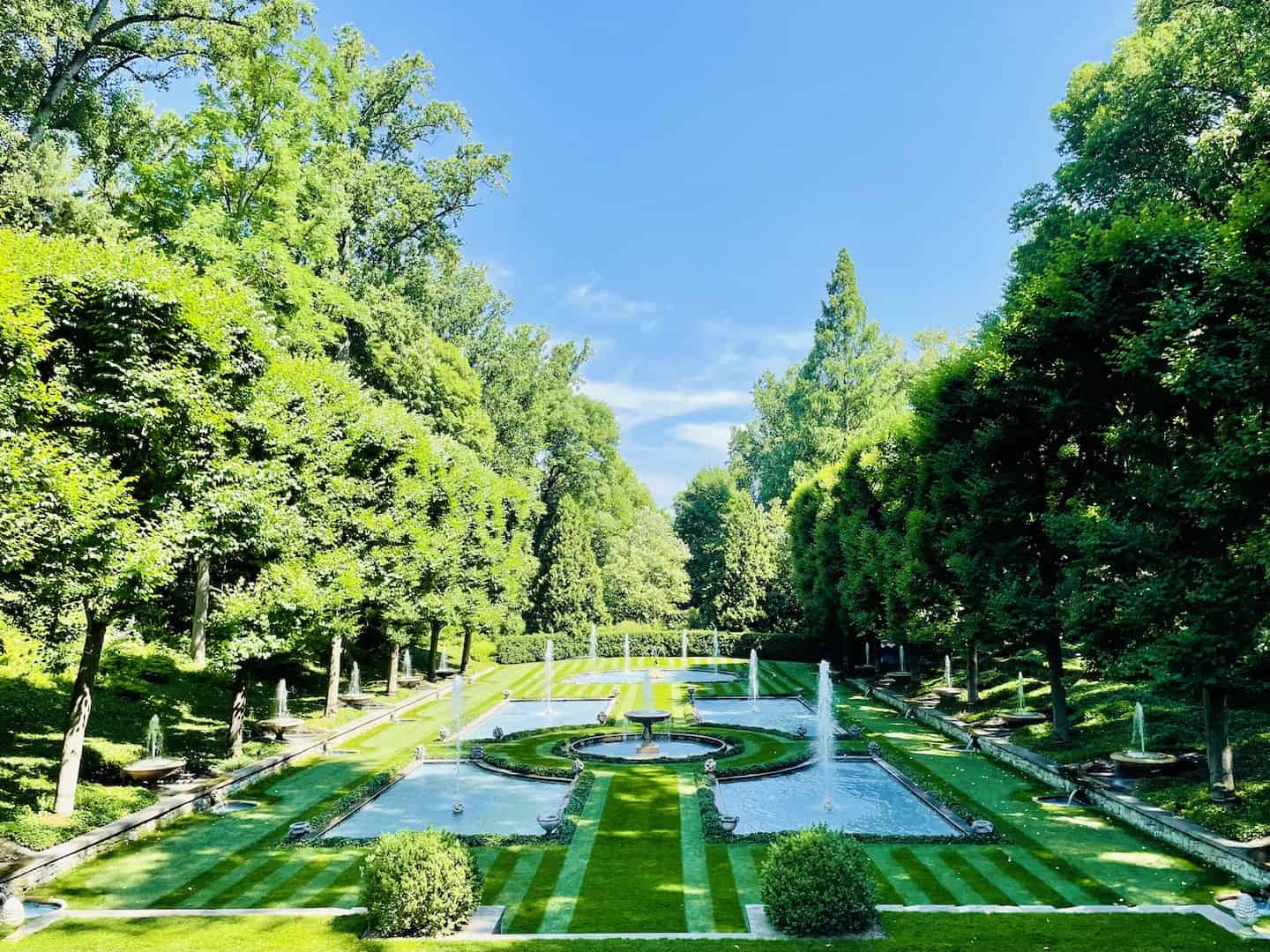
Visiting Longwood Gardens
- Hours of operation are Wednesday through Monday. Closed Tuesdays. Open 10:00 am – 6:00 pm with extended hours on some weekends and during the holidays.
- Purchase timed tickets online before your visit to ensure guaranteed admission upon arrival.
- Admission price is dependent on the time of year. For summer, tickets are $38 for adults; $22 for youth aged 5-15; and kids 4 and younger are free.
- Check online for the latest information on hours of operation, ticket prices, and special events.
- Longwood Gardens comes alive at Christmas with special displays and events beginning in mid-November through early January. Book your reservations online well ahead of time, if interested in visiting during this time.
- There’s an extensive gift shop in the visitor center.
Tips for Your Visit
- Longwood Gardens has several dining options. Choose 1906 (reservations suggested) for fine dining, The Café for casual fare, or the Beer Garden.
- If you’re wondering what plants are in bloom when you visit, check the Longwood Gardens website.
- Check the daily schedule upon arrival to learn the times of the various fountain shows. They may be a highlight of your visit.
3. Nemours Estate
1600 Rockland Avenue, Wilmington, DE | (302) 651-6912
Alfred du Pont (1864-1935) built this home in 1909 and named it Nemours after the family’s ancestral home in France. In fact, Alfred created this estate as a wedding gift for his second wife, Alicia Bradford, incorporating French architectural styles she so admired. As it turned out, Alicia died in 1920, and Alfred then married Jessie Bell, and they lived here until their deaths.
Alfred was a financier, industrialist, and philanthropist. He worked in the family’s gunpowder business until a family relationship soured and he was forced out of his role. After that, Alfred remade a fortune by investing and building in Florida, a new frontier (at the time) for investment aimed at attracting vacationers and other folks. According to Alfred’s will, the house and grounds were to be opened to the public following the deaths of him and his wife. (Alfred died in 1935, and Jessie died in 1970.) In addition, Alfred’s last wishes included building a children’s hospital, Nemours Children’s Hospital, on land that made up the original estate.
What to See at Nemours Estate
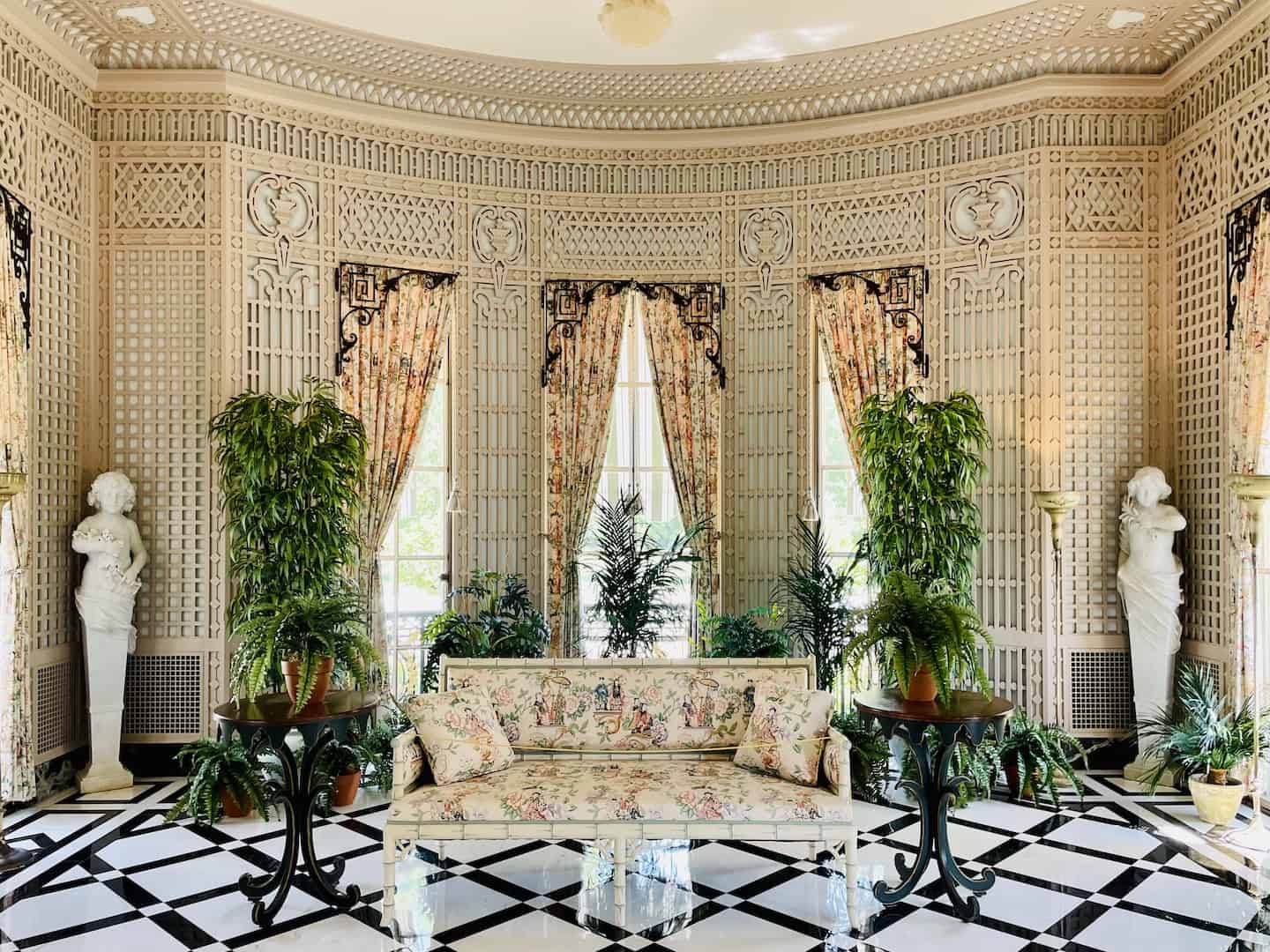
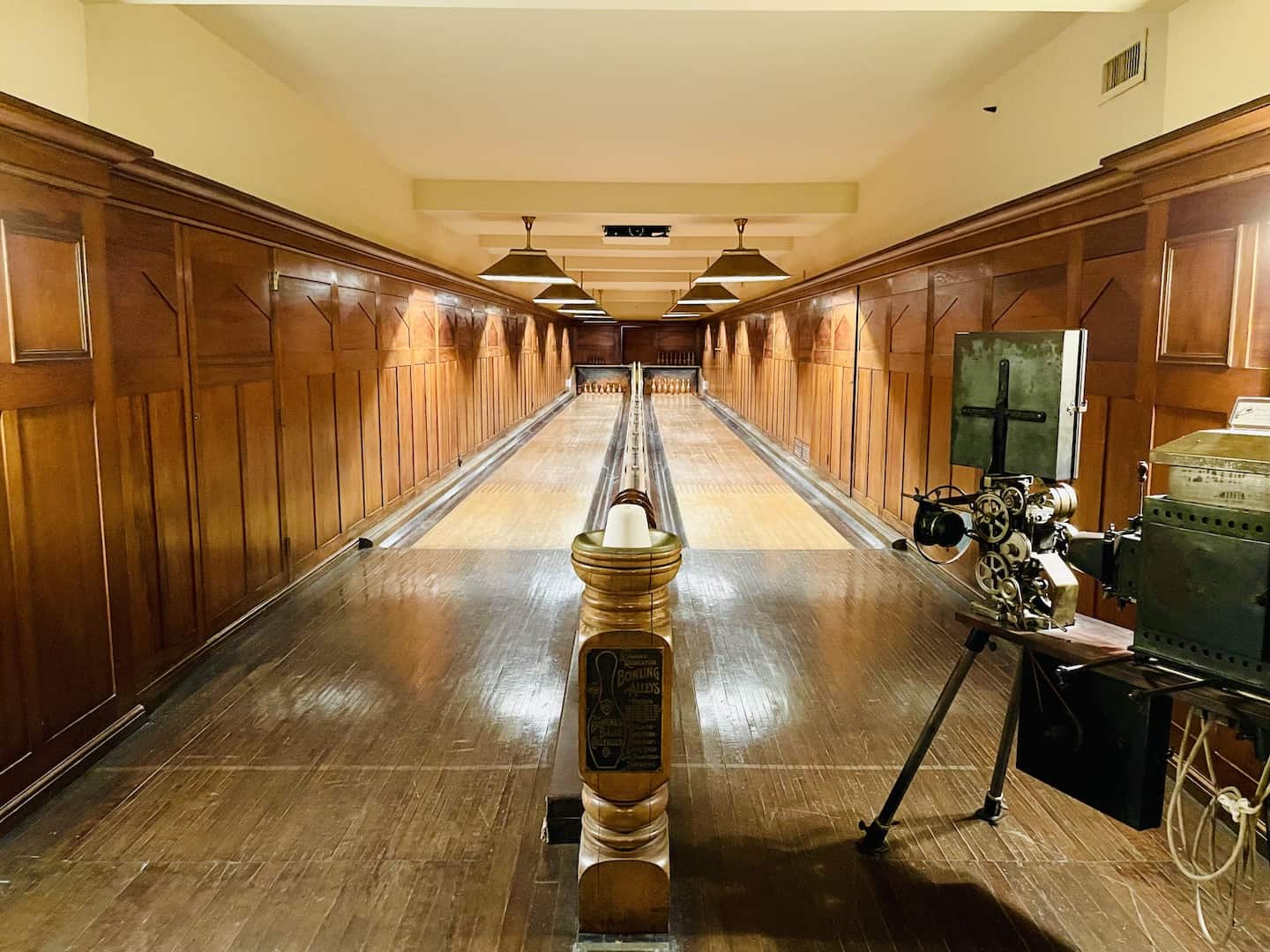
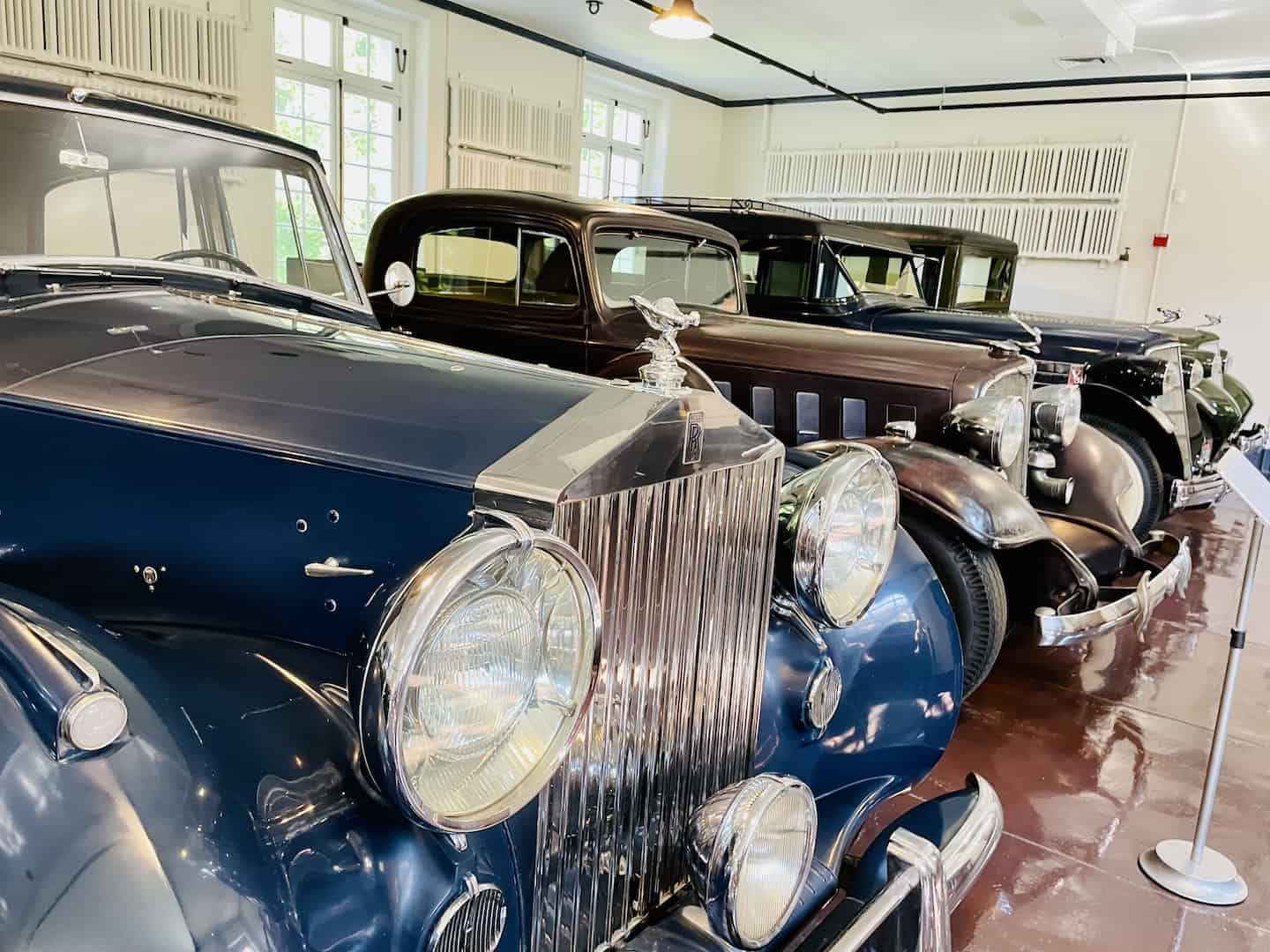
Resembling a French chateau, the Nemours Estate includes a 47,000 square-foot home – with 77 rooms – and is quite grand, incorporating many European design elements as well as furnishings. Alfred’s design included some new features for the time period, including indoor bathrooms. This mansion also had a home office, a water bottling room, an exercise room, an indoor bowling alley, and a billiards room downstairs. The chauffeur’s garage was the first garage built in the state. It houses five vehicles: a 1933 Buick Coupe, a 1921 Cadillac Renault, a 1924 Cadillac, and two Rolls-Royces (1951, 1960).
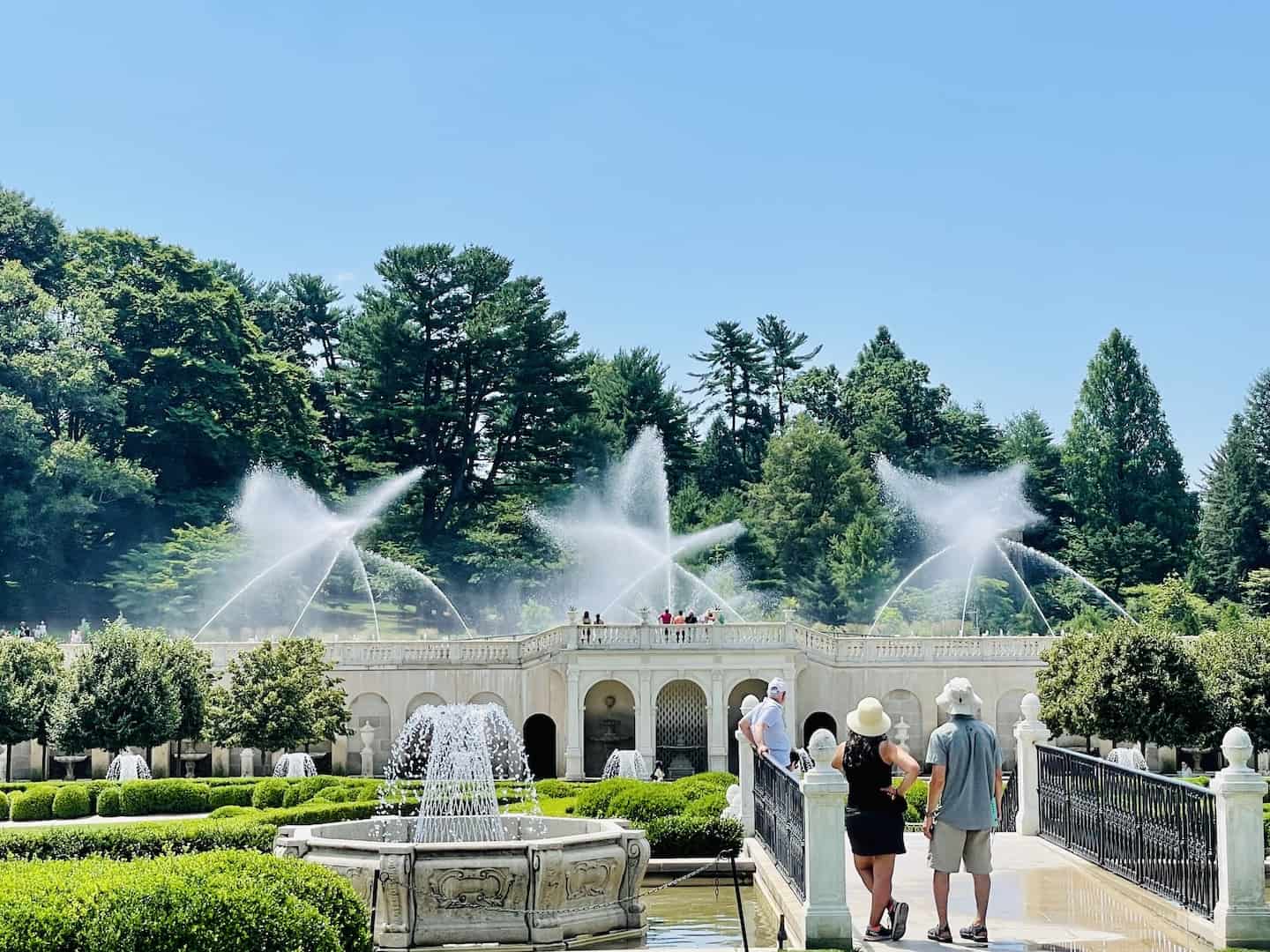
The home and the 200-acre grounds are gated. Alfred acquired one entry gate from Wimbledon, England, and the other from Catherine the Great’s estate. The Versailles-inspired gardens cover about 15 acres, and there are a couple of hundred acres of woodland and meadows. Granite was quarried from a Blue Granite rock area on the grounds and used in the house’s construction. From the mansion, stroll along the Long Walk to the reflecting pool and fountains (with over 150 jets). Also here are sculptures of the four seasons, the Temple of Love, and the gold leaf statue entitled Achievement.
Visiting Nemours
- Nemours is open Tuesday-Sunday from 10:00 am to 5:00 pm. Closed Mondays.
- Purchase day passes online prior to your visit or at the entry the day of your visit.
- Tickets are $23 for adults; $21 for seniors and military; (discounts for seniors and military); $10 for kids aged 6-16: and free for younger children.
- Check online for the latest information on hours of operation, ticket prices, and special events.
- A shuttle (golf cart) can ferry you from the entrance to the grounds and from the mansion to the chauffeur’s garage.
- Mansion tours are mostly self-guided with historical interpreters in the main rooms available to answer questions.
- There is a free narrated tour (in a small, comfortable bus) of the property so you can gain an appreciation for the land and manicured gardens.
- No food or drinks are available, so plan on bringing your own.
- If planning to picnic, bring a blanket; there are no picnic tables.
Tips for Your Visit
- When driving to the estate, you’ll be on the grounds of the Nemours Children’s Hospital.
- You can easily spend 2-4 hours in the mansion and the grounds which encompass elaborate gardens (inspired by Versailles), the chauffeur’s garage that houses five period vehicles, and a Sears Roebuck mail-order cottage that was built in 1915 as a playhouse for the children.
- The best view of the formal gardens from inside is actually from one of the guest bedrooms, the Gold Room.
4. Winterthur
5105 Kennett Pike, Winterthur, DE | 800-448-3883
Several generations of the DuPont family had a history on the estate. In the early 1800s, E.I. du Pont purchased the property for farming. His daughter later inherited it and built a house in 1839, naming it after her husband’s ancestral home in Switzerland. The estate changed hands several times within the family over the generations.
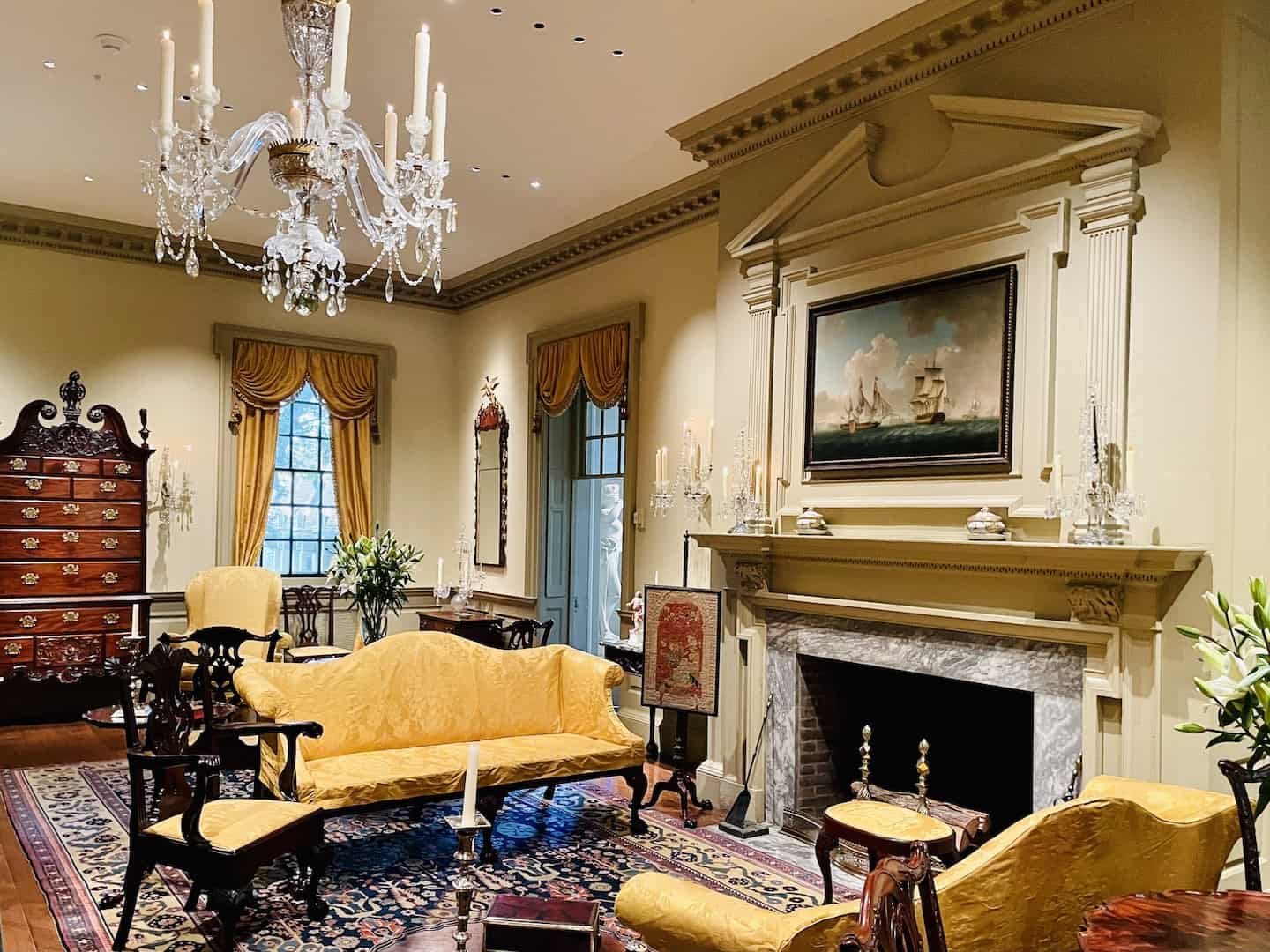
What visitors see today at Winterthur was mainly the result of Henry Francis (H.F.) du Pont’s (1880–1969) work on the property. Born at Winterthur, H.F. managed the family’s property for his father and inherited it upon his father’s death. His additions to the estate resulted from his studies of horticulture and agriculture at Harvard University, as well as his European travels. His passions were gardening, collecting American furnishings and decorative arts, and breeding cattle on the property.
Jackie Kennedy’s Visit to Winterthur
With his vast collection of early American decorative arts and furniture, H.F. turned the family home into a museum in 1951; he and his wife then lived in a 50-room cottage he had built near the house. (The museum shop is located on the first floor of that cottage.) In the early 1960s, H.F. helped guide First Lady Jackie Kennedy in her extensive White House remodeling project. She visited Winterthur in 1961 to view the vast collection here and to discuss ideas that would work in the President’s house. H.F. made numerous visits to the White House during this time to confer with Mrs. Kennedy and her staff.
What to See at Winterthur
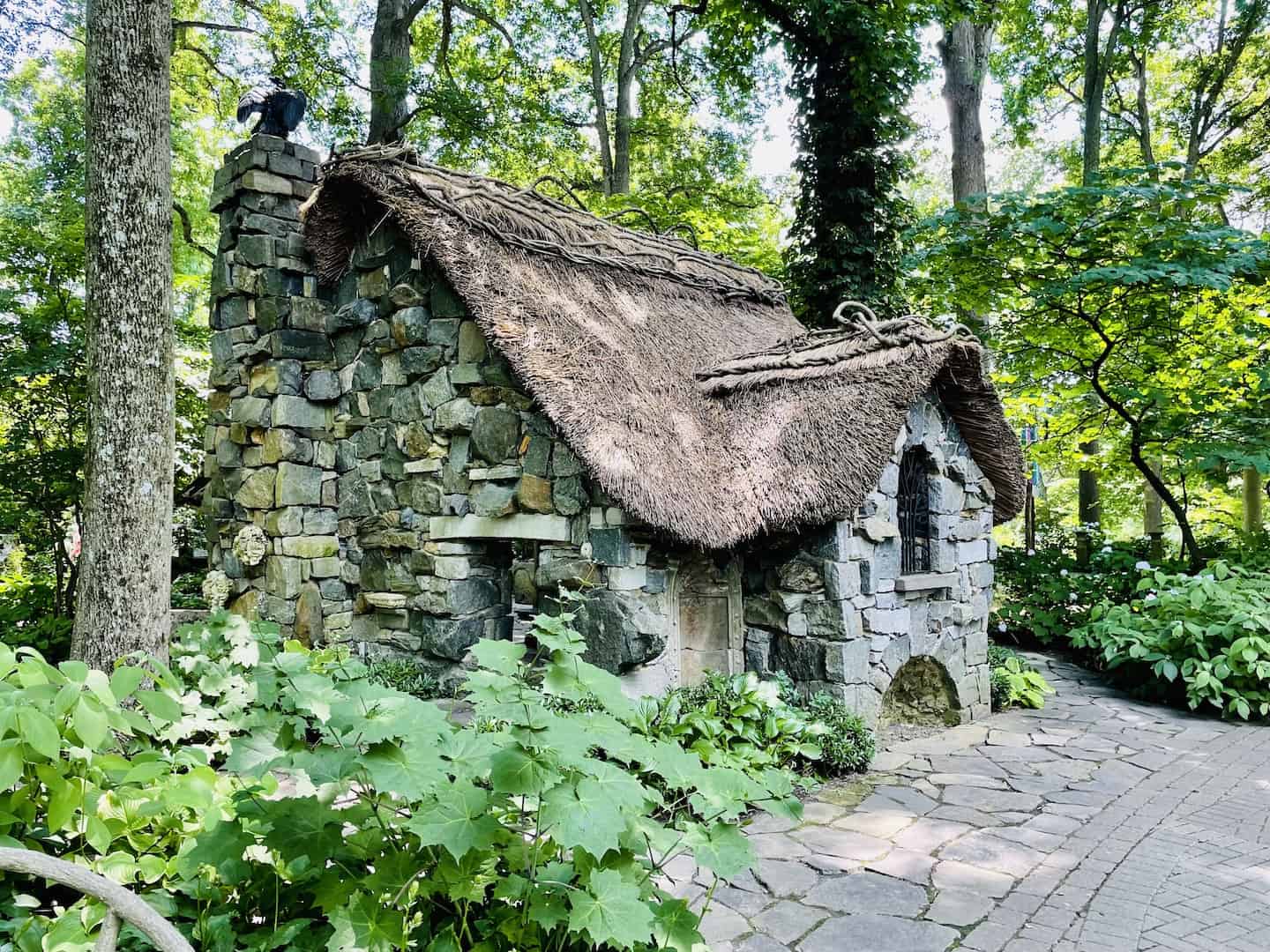
Today, Winterthur is home to 90,000 decorative arts and furniture pieces in the home and galleries, as well as 60 acres of gardens on the almost 1,000 acres of property. For the most part, the grounds are designed to look completely natural. There are no brightly colored annuals here. Instead, there are fields, water features, and carefully landscaped woodland. The prime time to see color on the grounds is from March through May when the azaleas, rhododendrons, dogwood, and wildflowers are in bloom. One space designed just for kids is Enchanted Woods with its Faerie Cottage, nooks to explore, and unique water features.
Visiting Winterthur
- Hours of operation are Tuesday through Sunday 10:00 am – 5:00 pm. Closed Mondays. Some extended hours offered during the Yuletide holidays with special displays throughout the property.
- Purchase mansion tour tickets online before your visit to ensure guaranteed admission upon arrival.
- Admission is $29 for adults; $27 for students (aged 13 and older) and seniors (aged 62 and older); $12 for kids aged 3-12; and kids under 2 years old are free.
- Check online for the latest information on hours of operation, ticket prices, and special events.
- Plan to arrive about 30 minutes before your scheduled mansion tour to check in and get oriented to all there is to see.
- You’ll enter through the visitor center and take a shuttle (or walk) to the Conservatory where the tour begins.
- Mansion tours are mostly self-guided with historical interpreters in the main rooms available to answer questions.
- Winterthur’s website has suggested itineraries for your visit, depending on how much time you have to spend.
- The Christmas season features special displays throughout the property.
Tips for Your Visit
- Expect to spend 3-4 hours touring the mansion, museum, and gardens.
- Take the narrated garden tour on an open-air tram to learn more about H.F.’s vision for the property, his commitment to agricultural pursuits, and simply enjoy the expansive grounds.
- Plan to walk the property a bit — maybe to the reflecting pool outside the museum and to the Enchanted Garden a little further down the paved path. Winterthur has several walking trails ranging from about 0.5 to 2.0 miles each.
- The Visitor Center Café has a selection of grab-and-go fare (sandwiches, paninis, salads, and baked treats) and beverages (bottled water, soda, beer, and wine).
- If you prefer to bring your own food, there are several places to enjoy a picnic including the Enchanted Garden, Icewell Terrace, or outside the museum.
- The museum store is located near the mansion and museum (not in the visitor center), so stop in there after visiting the mansion and/or museum and before returning to the visitor center.
- Check online for a list of special events and tours.
- The extensive garden landscapes beckon visitors before or after visiting the mansion.
Where to Stay and Eat
There are some lovely B&Bs and inns in the area. My husband and I stayed in a property in Kennett Square because the town is lovely to wander through in our downtime. (Portobello’s was a good pick for us.) Furthermore, it has some well-rated restaurants for dinner. Do an online search (like TripAdvisor) to find the location and property that fits your interests.
For lunch, both Longwood Gardens and Winterthur have good options. At Longwood Gardens, head to The Terrace. Here you’ll find three dining options: 1906, a fine dining restaurant; grab-and-go options in The Café with plenty of indoor and outdoor seating; and a beer garden – sometimes featuring live music. Winterthur has a nice café with a wide variety of sandwiches, salads, soups, and beverages.
By the way, the Kennett Square region is considered the mushroom capital of the country, accounting for around two-thirds of the mushroom production. Therefore, if you’re a mushroom lover, you’re bound to find a lot of dishes prepared with mushrooms while in the area’s restaurants.
Planning Your Visit
If you have three full days for your visit, you could follow the suggested plan below. There is no perfect order for where you visit first. Note the days that each site is closed.
- Full day visiting Hagley Museum and Nemours Estate, arriving at Hagley when it opens. These two are very close to each other. To get the most out of your visits (and because each visit could easily take up 4 hours), you may want to bring lunch and eat it at one of Hagley Museum’s picnic areas. Note that Hagley is closed on Wednesdays, and Nemours is closed on Mondays.
- Full day for Longwood Gardens. Dining options on-site. Closed on Tuesdays.
- Full day for Winterthur. Dining options onsite. Closed on Mondays.
Map of du Pont Estates

Related Articles
Trip Planning
- 5 Travel Tips That Will Instantly Make Your Trips Easier
- Design Perfect Trip Itineraries — On Your Own or with AI
- Expert Tips for Traveling to Europe for More Fun, Less Stress
- How to Detect Popular Scams Targeting Travelers
- How to Find the Perfect Vacation Home Rentals
- Must-Have Travel Apps & Sites
- Stay Powered Up: A Traveler’s Guide to Power Banks
- Travel Lightly: Top Ten Tips to Pack for Your Next Trip
- Wander without Worry: How to Plan a Great Trip
Area Attractions
- Air Mobility Command Museum, Dover, DE
- Best Things To Do in Philadelphia, Philadelphia
- Bethlehem, PA: A City Where History and Reinvention Meet
- Covered Bridges of Bucks County, Bucks County, PA
- Delaware Beach Guide
- Museum of the American Revolution, Philadelphia
- Philadelphia: A Self-Guided Walking Tour, Philadelphia
- Tyler State Park, Bucks County
- Valley Forge National Historical Park, Valley Forge, PA
- Washington Crossing State Park, Bucks County, PA
Final Thoughts
The days that my husband and I spent exploring Hagley, Longwood Gardens, Nemours Estate, and Winterthur were so relaxing and enjoyable. It was fun to walk through the creations of the du Pont visionaries who had the forethought and ambition to create such superlative, lasting legacies that subsequent generations of the public have enjoyed.
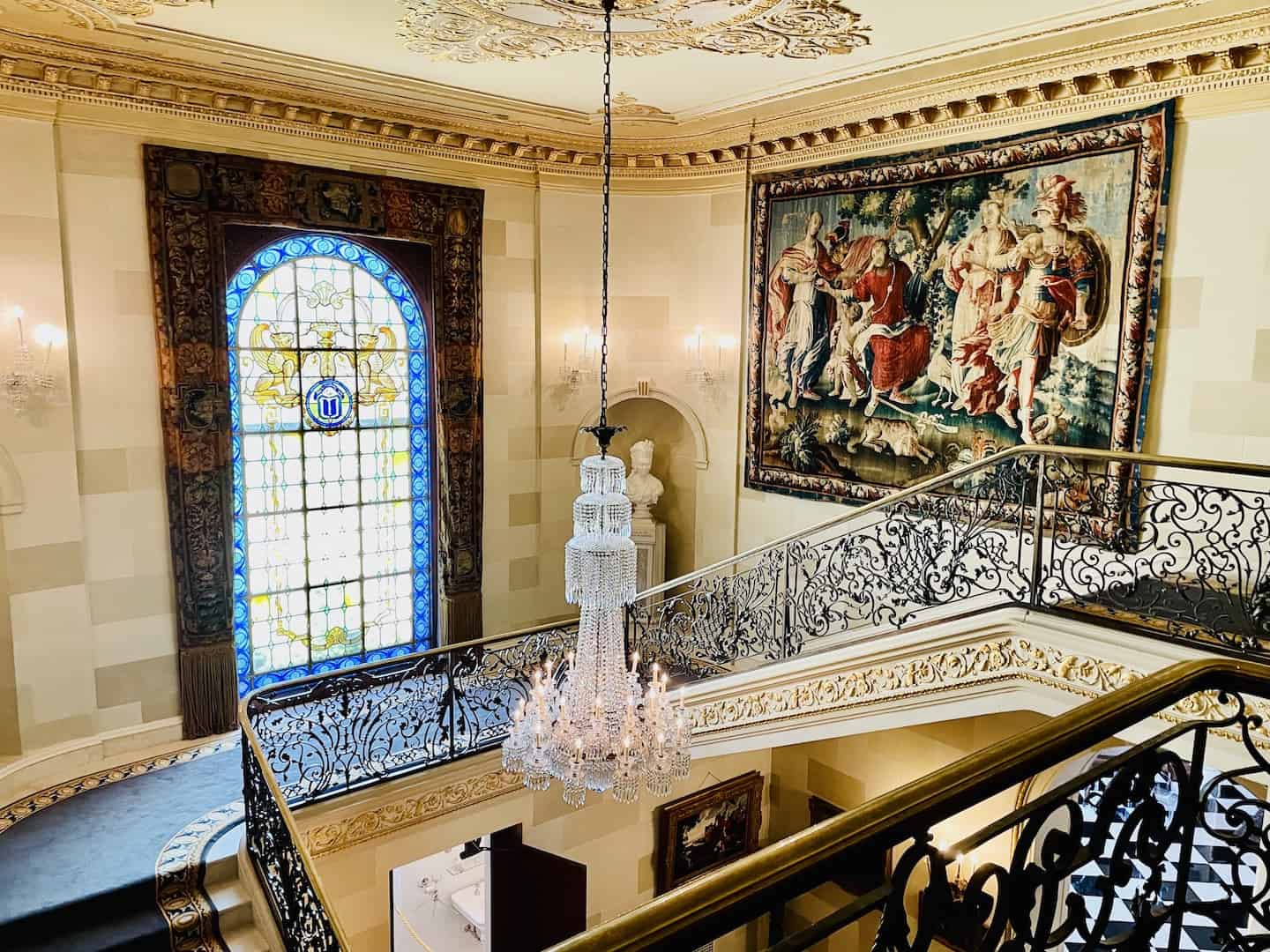
Although all four sites are special in their history and design, I consider Hagley and Nemours Estate hidden gems in the greater Philadelphia/Wilmington area. While Longwood Gardens and Winterthur have high name recognition and are undoubtedly worth visiting, I wouldn’t discount either Hagley or Nemours.
In Hagley’s case, you learn how the du Pont family started a new life in America by producing gunpowder. The live demonstrations and a walk through the machine shop brought history to life. Plus, there are the family home and Workers’ Hill to explore, if time permits.
At Nemours Estate, you’re able to tour the public rooms used for entertaining and family life on the first floor, the bedrooms upstairs, and the basement where they entertained in the bowling alley and billiards room. Beyond that, today’s visitors can walk into Alfred’s office, his exercise area and showers, and the mechanical room. You can really see all the spaces and get a good picture of everyday life for the du Pont family and their staff. Outside, of course, are the grand gardens and the chauffeur’s garage.
Incidentally, other du Pont family members have played key roles in restoring other historical properties. Montpelier, the home of James Madison (fourth American president) and his wife, Dolley, outside Charlottesville, Virginia, is one such place. If heading to that central Virginia area, read my detailed visitor guide of Charlottesville to help you plan your trip.
Comments?
Feel free to share your thoughts and experiences from a visit to the Delaware Valley region. Your comments could help other travelers. Thanks! 🙂