There’s something special about a city that seamlessly blends centuries-old history with vibrant modern energy. Visit Bethlehem, Pennsylvania, and you’ll experience exactly that. It’s one of the most charming small cities in Pennsylvania.
Known as “Christmas City, USA,” this Lehigh Valley (eastern PA) destination offers much more than holiday charm. Visitors can explore beautifully preserved colonial streets, learn about one of America’s most important industrial stories, enjoy a thriving arts scene, and discover excellent restaurants and local shops — all within a walkable and welcoming city.
Bethlehem’s appeal has earned national and international recognition. In 2024, its Historic Moravian Church Settlements were designated a UNESCO World Heritage Site, and in both 2025 and 2026, USA Today readers voted Bethlehem’s Main Street the best in America.
Spend a day here, and it’s easy to understand why.

A City Shaped by Two Histories
Bethlehem’s story is really two stories.
The first began in 1741, when Moravian settlers from Europe seeking religious freedom founded the community on Christmas Eve. They lived under a choir system whereby members of the community lived in buildings according to their ages, genders, and life stages. The Moravians valued education, craftsmanship, and equality, leaving behind an impressive collection of historic buildings and one of the best-preserved colonial communities in the country. Their influence remains visible throughout the city today.
A few decades later, during the American Revolutionary War (1775-1783), Bethlehem served as a stagecoach stop between Philadelphia and New York City. Bethlehem operated a hospital, where Moravians cared for wounded soldiers. In fact, the Marquis de Lafayette spent a month in 1777 healing here after being wounded at the Battle of Brandywine. The Sun Inn on Main Street offered hospitality for many Patriots, including George Washington, John Hancock, and John Adams. Established in 1760, the historic Sun Inn still welcomes diners today.
The second chapter arrived with Bethlehem Steel.
For much of the 20th century, Bethlehem was one of America’s industrial powerhouses. Steel produced here helped build bridges (including the Golden Gate Bridge), skyscrapers (including the Empire State Building, the Chrysler Building, Rockefeller Center, and the Waldorf-Astoria), and military ships and munitions that shaped the nation. When the steel plant closed in 1995, the city faced an uncertain future.
Instead of fading, Bethlehem reinvented itself.
Today, former steelmaking facilities have become cultural attractions, historic sites have gained international recognition, and the city has successfully blended its past with a vibrant present.
Exploring the North Side
The North Side is where Bethlehem’s colonial roots shine brightest.
Centered around Main Street, this area is filled with historic buildings, independent shops, cafés, and museums. It’s also one of the most walkable parts of the city, making it easy to spend an afternoon wandering without a strict itinerary.
One of the most fascinating places to explore is the Colonial Industrial Quarter, where visitors can see the remains of early Moravian industries, including the nation’s first pumped municipal water system. Informational signs throughout the site help bring Bethlehem’s early history to life. Better yet, take a guided tour led by a costumed historical interpreter for a more detailed overview.
Nearby, God’s Acre Cemetery offers a quiet glimpse into Moravian traditions. Its simple flat gravestones reflect the community’s belief in equality and create one of the city’s most distinctive historic landscapes. The neat rows of tombstones are arranged by choir (age, gender, life stage), not family groups.

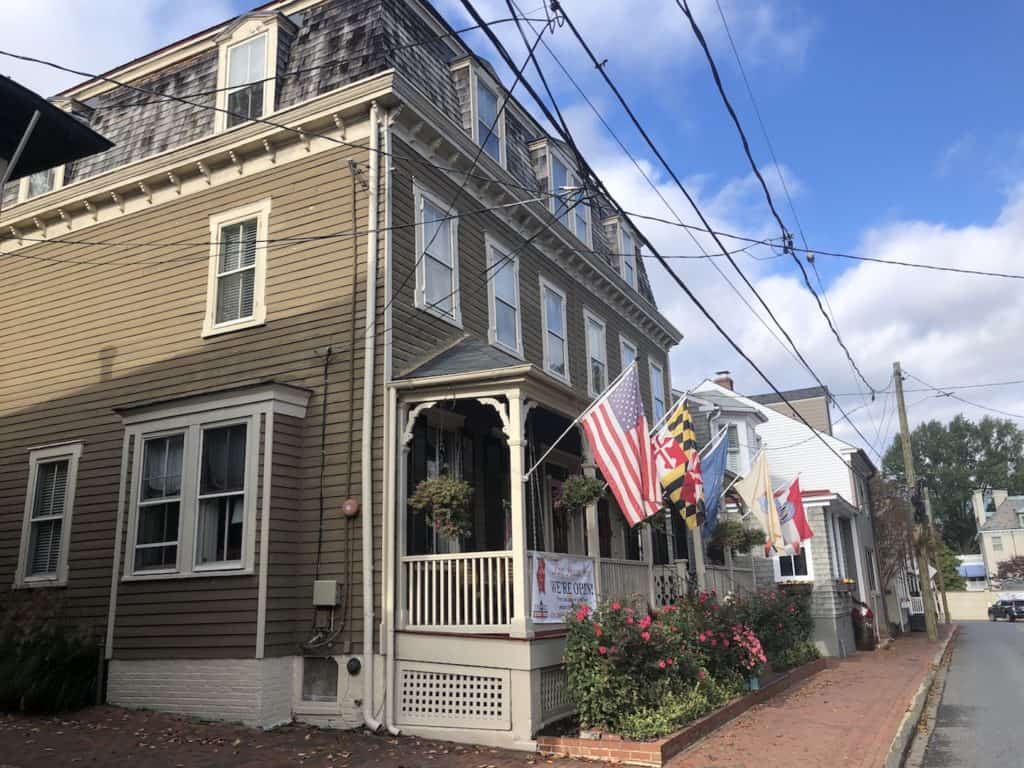
For those who enjoy architecture, it’s worth venturing beyond Main Street. The residential streets surrounding downtown feature beautifully preserved 18th- and 19th-century homes that reveal another side of Bethlehem’s history.
Bethlehem’s museums add context to your visit. The Moravian Museum of Bethlehem / 1741 Gemeinhaus is the oldest building in Bethlehem, built in 1741 to house the original Moravian settlers who lived, worshiped, and were educated there. Nearby, the Kemerer Museum displays decorative arts.
To learn more about notable sites and parking in North Bethlehem, head to the Historic District Interactive Map.
Exploring the South Side
Cross the Lehigh River, and the atmosphere changes completely.
The South Side combines college-town energy, industrial history, and a thriving arts scene. Lehigh University adds youthful energy to the neighborhood, while galleries, breweries, restaurants, and music venues keep the area lively year-round.
The centerpiece of the South Side is SteelStacks, one of the most successful industrial redevelopment projects in the country.

The towering blast furnaces of the former Bethlehem Steel plant still dominate the skyline, creating a dramatic backdrop for concerts, festivals, films, and community events. Walking the Hoover-Mason Trestle provides an up-close view of these massive structures and offers a powerful reminder of the city’s industrial past. Walk the trestle on your own or opt for a guided tour.
To better understand that legacy, visit the National Museum of Industrial History. Located in a former Bethlehem Steel facility, the museum explores the innovations and industries that helped build modern America.

The Wind Creek Casino and Event Center complex has a variety of entertainment options.
Don’t Miss These Experiences
If you’re visiting Bethlehem for the first time, prioritize these highlights:
- Stroll Main Street and explore Historic Bethlehem.
- Walk through the Colonial Industrial Quarter on a guided tour or on your own.
- Visit God’s Acre Cemetery.
- Experience SteelStacks and the Hoover-Mason Trestle.
- Explore Lehigh University’s picturesque campus and its Linderman Library.
- Visit the Moravian Museum, Kemerer Museum, and/or the National Museum of Industrial History.
- Enjoy local restaurants, breweries, and shops on both sides of the river.
Together, these experiences tell the story of how Bethlehem evolved from a colonial settlement into an industrial giant and, ultimately, into the vibrant city visitors enjoy today.
Map of Bethlehem

When to Visit
Bethlehem is worth visiting year-round, but each season offers something different. SPRING brings blooming gardens, mild temperatures, and smaller crowds. SUMMER is festival season, highlighted by Musikfest, one of the largest free music festivals in the United States. Outdoor concerts and events fill both sides of the city. FALL offers comfortable weather and popular events such as the Celtic Classic and Oktoberfest. WINTER is when Bethlehem truly earns its nickname, “Christmas City.” Holiday markets, decorated streets, seasonal performances, and festive lights transform the city into one of the most charming winter destinations in the Northeast.

Related Articles
Trip Planning
- 5 Travel Tips That Will Instantly Make Your Trips Easier
- Design Perfect Trip Itineraries — On Your Own or with AI
- Expert Tips for Traveling to Europe for More Fun, Less Stress
- How to Detect Popular Scams Targeting Travelers
- How to Find the Perfect Vacation Home Rentals
- Must-Have Travel Apps & Sites
- Stay Powered Up: A Traveler’s Guide to Power Banks
- Travel Lightly: Top Ten Tips to Pack for Your Next Trip
- Wander without Worry: How to Plan a Great Trip
Nearby Attractions
- Covered Bridges of the Lehigh Valley, around Bethlehem
- Hawk Mountain Sanctuary, 35 miles west of Bethlehem
- Housenick Park, 4 miles north of Bethlehem’s downtown
- Jacobsburg State Park, 15 miles north of Bethlehem
- National Museum of Industrial History, Bethlehem
- Philadelphia: Best Things to See and Do, 70 miles south of Bethlehem
- Ridley Creek State Park, outside Philadelphia
- Valley Forge National Historical Park, outside Philadelphia
- Washington Crossing Historic Park, outside Philadelphia

Final Thoughts
Why Bethlehem Stands Out
Many cities have historic districts. Others have impressive industrial stories. Some are known for arts and culture. Bethlehem offers all three.
Few destinations so successfully combine colonial heritage, industrial innovation, and modern creativity in such a compact, walkable setting. Whether you’re interested in American history, architecture, live music, or simply exploring somewhere new, Bethlehem delivers a memorable experience that feels both educational and surprisingly fun.
A visit to Bethlehem may surprise you – in the best way. With its rich history, revitalized energy, and easy access to surrounding attractions, it’s a place to experience, savor, and return to again and again. My family has always enjoyed spending time in Bethlehem – on both sides of the Lehigh River.
By the way, the map in this article (above) includes Sand Island, a recreational area with a children’s playground, tennis courts, basketball courts, and a path along the canal. If walking along the Fahy Bridge (connecting the north and south sides of Bethlehem), you’ll see it.
Some Favorite Spots on Bethlehem’s North Side
Strolling through the Colonial Industrial Quarter and God’s Acre is a favorite of mine and a must for visitors. Definitely include an historic walking tour to gain a full understanding of Bethlehem’s fascinating history. Apollo Grill offers delicious food and a lively vibe. Hotel Bethlehem is a central place to stay and an iconic site right on Main Street with several dining options and a lovely Sunday brunch. Across from the Hotel Bethlehem, the Moravian Book Shop is the oldest continuously operational bookstore in the world. Other inviting shops and restaurants line Main Street.

Some Favorite Spots on Bethlehem’s South Side
SteelStacks is the dominant entertainment spot on the South Side, offering a wide variety of concerts and festivals, and always something fun to do. Also, Lehigh University, the oldest engineering university in the country, is a beautiful place for a stroll and boasts two unique spots. Linderman Library is a stunning 19th-century library with a large reading room, soaring ceilings, impressive woodwork, and stained glass that reflect the university’s Gilded Age origins. In addition, inside Packard Laboratory is a 1899 Packard Model A-1, the first car built by the Packard Motor Car Company. You can usually view the Packard when school is in session (and the building is open). Finally, there are a variety of very good ethnic restaurants on this side of the river.

Comments
Feel free to share ideas about getting the most out of a visit to Bethlehem. Your ideas can help fellow travelers. Thanks! 🙂